Lucy K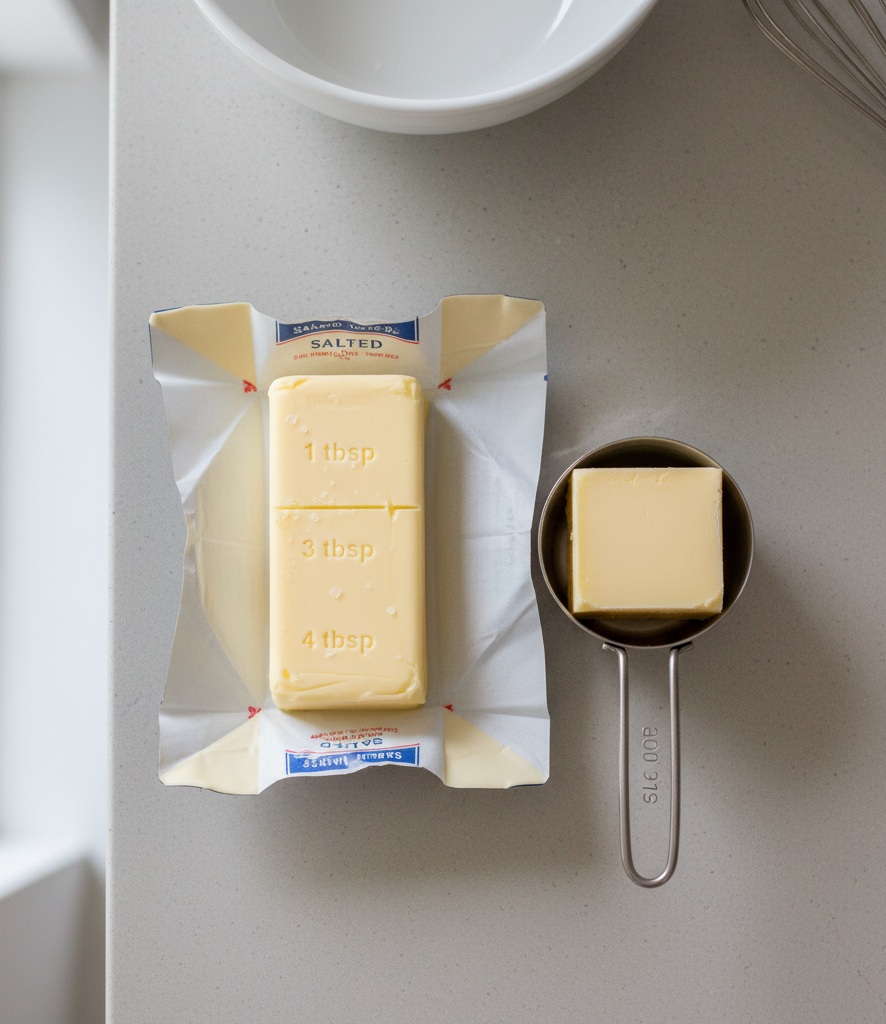
Did you know that a single stick of butter, a common staple in kitchens worldwide, contains exactly 8 tablespoons? This simple fact is a cornerstone for many bakers and cooks. But when a recipe calls for a quarter cup of butter, understanding its equivalent in tablespoons can sometimes be a point of confusion. Let’s break down this common baking measurement.
Understanding Butter Measurements
Butter is often sold in sticks, which are typically marked with measurements to make portioning easier. In the United States, a standard stick of butter is ½ cup, which is equivalent to 8 tablespoons. This makes converting recipes a bit more straightforward.
The Quarter Cup Conversion
To figure out how many tablespoons are in a quarter cup of butter, we can use the standard conversion:
- 1 cup = 16 tablespoons
Therefore, to find the number of tablespoons in a quarter cup, we simply divide the total tablespoons in a cup by four:
- 16 tablespoons / 4 = 4 tablespoons
So, there are 4 tablespoons in a quarter cup of butter.
This means that if a recipe calls for a quarter cup of butter, you’ll need to measure out 4 level tablespoons. This is a crucial piece of information for ensuring the correct fat content and texture in your baked goods. Too much or too little butter can significantly alter the outcome of cookies, cakes, and pastries.
Why Precise Measurements Matter in Baking
Baking is often described as a science, and for good reason. Unlike cooking, where you can often adjust ingredients by taste as you go, baking relies on precise ratios. The interaction of ingredients like flour, sugar, eggs, and fat (butter being a prime example) creates specific chemical reactions that lead to the desired texture, flavor, and structure of your final product.
According to King Arthur Baking Company, a reputable source for baking knowledge, even slight deviations in ingredient amounts can have a noticeable impact. For instance, the fat content from butter contributes to tenderness and richness in cakes and cookies. If you miscalculate and use less butter than a recipe calls for, your baked goods might turn out dry or tough. Conversely, too much butter can lead to greasy or spread-out cookies.
Practical Tips for Measuring Butter
When measuring butter for baking, especially when it’s softened or melted, using a liquid measuring cup is generally more accurate than a dry measuring cup. However, if you have the butter in stick form, the wrapper often has markings indicating tablespoons, quarters, and halves of a cup, making it incredibly easy to cut off the exact amount needed.
If you’re ever unsure about other common conversions, like how many tablespoons are in a quarter cup in general (not just for butter), it’s always helpful to have a reliable reference. For more information on this, you can check out resources like How Many Tablespoons in 1/4 Cup.
Butter Substitutes and Their Impact
While butter is a preferred fat in many recipes due to its flavor and performance, sometimes recipes might call for substitutes due to dietary restrictions or availability. Common substitutes include margarine, shortening, or even oils. However, it’s important to note that these substitutes can alter the final product.
For example, margarine, while often a 1:1 substitute for butter by volume, may contain more water and less fat, potentially affecting texture. Shortening, which is pure fat, can make baked goods more tender but lacks the flavor of butter.
Oils can lead to a different crumb structure altogether. Understanding the role of butter in a recipe is key to making informed decisions about substitutions. The percentage of fat in butter is typically around 80-82%, and this consistency is what recipe developers rely on.
Conclusion
Mastering basic baking measurements, like knowing that a quarter cup of butter equals 4 tablespoons, is a fundamental skill for any home baker. By understanding these conversions and the science behind them, you can confidently tackle recipes and achieve delicious results every time. Remember, precision in baking is your best friend! For further exploration into kitchen conversions and helpful tips, consult authoritative culinary resources.