Lucy K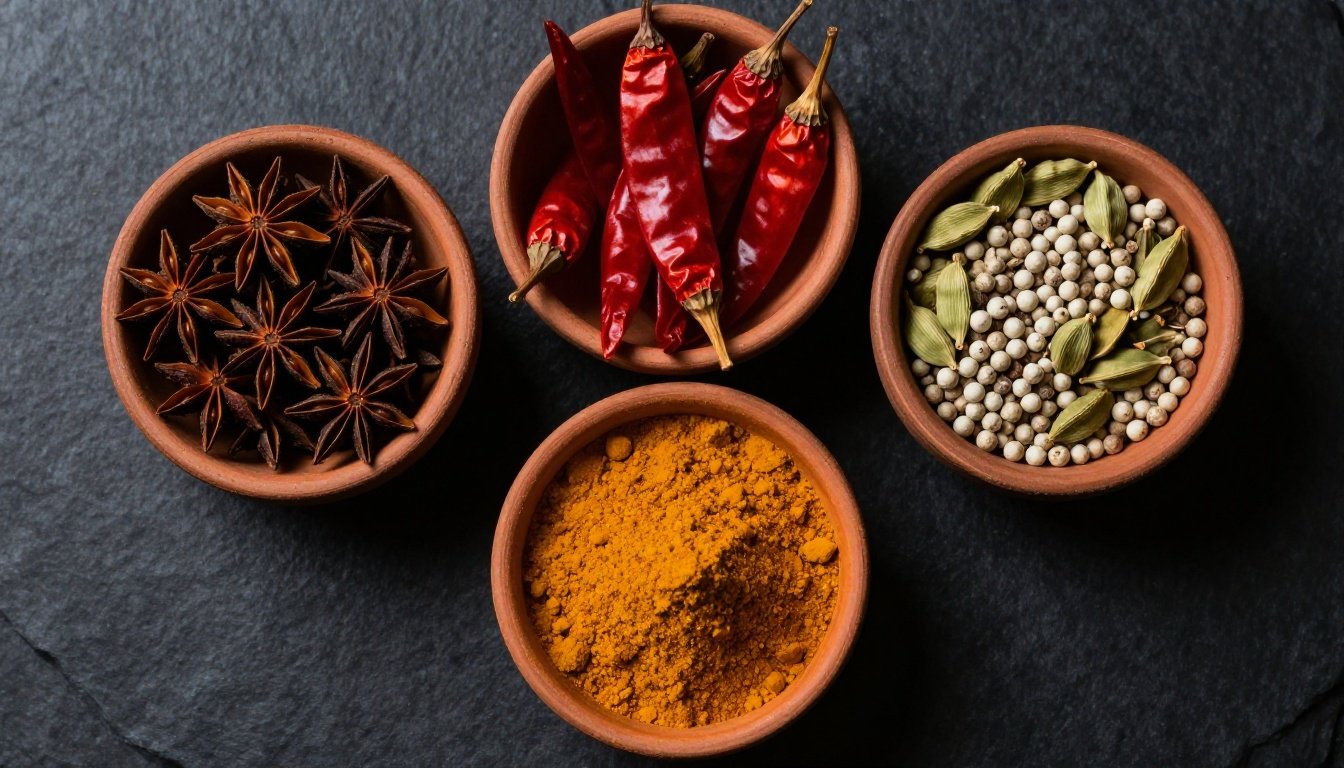
Imagine the sizzle of a wok. Steam rises with hints of citrus and heat. Thai food hits you with a burst of sweet, sour, salty, and spicy notes all at once. This mix creates magic that draws people worldwide. From street stalls in Bangkok to home kitchens everywhere, Thai cuisine shines for its bold yet balanced tastes.
You don’t need fancy tools to get that flavor right. It all comes down to key Thai seasonings. This guide uncovers the top 5 spices that build the heart of real Thai cooking. We’ll skip the basics like curry pastes and focus on dry spices you can stock up on. Get ready to boost your dishes with authentic Thai seasoning touches.
The Flavor Foundation: Understanding the Thai Taste Profile
Thai cooking builds on a smart mix of flavors. Chefs aim for harmony in every bite. These elements work together to make meals exciting and fresh.
The Four Pillars of Flavor in Thai Cooking
Sweet comes from palm sugar. It softens sharp edges in curries. Sour hits with lime juice or tamarind paste. This brightens salads and soups like tom yum. Salty flavors rely on fish sauce. A splash adds depth to stir-fries and dips. Spicy builds from fresh or dried chilies. They bring fire to everything from noodles to grilled meats.
These pillars keep dishes from feeling flat. Think of them as the base notes in a song. Without balance, the tune falls apart. Many Thai recipes use all four in one pot. This creates that signature zing you crave.
The Role of Aromatics vs. Dry Spices
Fresh aromatics like galangal and lemongrass add bright, herbal scents. You pound them into pastes for immediate punch. They shine in quick-cook methods. Dry spices, though, offer deeper, lasting warmth. Grind them for rubs or infuse in oils.
Aromatics fade fast if not used fresh. Dry spices hold steady in your pantry. We’ll spotlight those dry ones next. They form the backbone of Thai seasoning blends.
Top 5 Essential Thai Spices for Authentic Flavor
These five stand out for everyday use. You can find them at most Asian markets or online. Each brings a unique twist to Thai dishes. Let’s break them down one by one.
Spice 1: White Peppercorns (Prik Thai Khao)
White peppercorns pack a clean, sharp bite. Unlike black pepper’s earthy edge, they stay mild and hot. In Thailand, cooks grind them fresh for stir-fries. Take pad kra pao, the basil pork dish. A dash elevates the minced meat without muddling herbs.
Whole peppercorns keep oils locked in. Pre-ground loses punch over time. Toast them lightly, then grind just before use. This way, your Thai seasoning stays vibrant. Add to seafood too for a subtle kick.
Spice 2: Turmeric (Khamin)
Turmeric offers an earthy taste with golden hues. Its warmth pairs well with coconut milk. In southern Thailand, it stars in gaeng som curry. That sour-spicy fish soup needs turmeric for color and mild bitterness.
Fresh rhizomes grate easily into rice. Dried powder works in marinades. Without it, your yellow rice looks dull. Turmeric fights blandness in veggie stir-fries. Stock up for that sunny Thai vibe.
Spice 3: Dried Chilies (Prik Haeng)
Dried chilies vary in size and heat. Bird’s eye types scorch with spice. Larger ones add smoky depth. Thai chefs dry them for pastes and infused oils. They build layers in nam prik dips.
To bloom them, heat oil in a pan. Toss in crushed chilies until fragrant. This releases flavors before soups simmer. Don’t skip this step. It turns simple heat into rich Thai seasoning. Adjust counts for your tolerance.
Spice 4: Star Anise (Puan Gai)
Star anise delivers a sweet licorice kick. One pod flavors a whole pot. It shines in slow-cooked meats like braised duck. Thai versions draw from Chinese roots via old trade paths. Massaman curry uses it in the base for warmth.
Grind it fine for rubs on pork. Whole stars simmer best in broths. This spice ties sweet and savory notes. History shows it traveled silk routes to Thai kitchens. Now, it’s key for those comforting stews.
Spice 5: Coriander Root (Rak Phak Chi) vs. Ground Coriander Seed
Coriander root is pounded into fresh pastes for a garlic-like zest. But ground seeds provide citrusy warmth year-round. They are used in curry powders and meat rubs. In Thai grilled chicken, gai yang, seeds add subtle brightness.
Roots suit quick prep, yet seeds store easily. Toast ground coriander before use. This amps up nutty tones. Both forms boost soups and salads. Pick seeds for versatile Thai seasoning.
Beyond the Basics: Enhancing Flavor Profiles
Core spices set the stage. Now, add these to fine-tune. They pop up in special recipes. Use them to layer more complexity.
The Power of Kaffir Lime Zest (Makrut)
Kaffir lime zest packs intense citrus punch. Dried versions keep that zesty edge without fresh leaves. Grate it into green curries for floral lift. It cuts through rich coconut bases.
In marinades, a pinch brightens fish. Dried zest stores longer than leaves. Thai cooks swear by it for authenticity. Try it in som tam salad for extra tang.
Cinnamon and Nutmeg in Savory Dishes
Cinnamon brings cozy warmth to northern Thai fare. Nutmeg adds sweet depth in Muslim-influenced recipes. Both appear in massaman curry with potatoes and beef. They blend sweet-savory like a hug in stew.
Use sticks for simmering, powder for quick mixes. Go light—one teaspoon max per dish. Too much overwhelms the chilies. These spices nod to spice trade history. They make hearty meals feel festive.
Sourcing and Storing Your Thai Spice Collection
Good spices start with smart buys. Keep them fresh for best results. This section shares tips to build your stash.
When to Buy Whole vs. Pre-Ground
Whole spices hold more flavor oils. Peppercorns and coriander seeds last years this way. Pre-ground suits beginners but fades fast. Invest in a spice grinder for control.
Asian grocers offer bulk options. Online shops ship fresh imports. Start with small amounts to test. Whole forms shine in Thai seasoning mixes.
Optimal Storage Conditions for Maximum Potency
Store in airtight glass jars. Keep them cool and dark, away from heat. Pantries work best, not near stoves. Check for fading scents every few months.
Label dates to track freshness. Freeze extras in bags for longer life. Proper care keeps your top 5 Thai spices potent. You’ll notice the difference in every dish.
Conclusion: Your Journey to Thai Kitchen Mastery
Authentic Thai seasoning thrives on balance. The top 5 spices—white peppercorns, turmeric, dried chilies, star anise, and ground coriander—form that subtle base. They turn simple meals into bold adventures.
Start small. Pick one spice this week. Sprinkle it into your stir-fry or rice. Build from there to tackle curries. Experiment to find your favorites.